How to Choose a Flight School Without Losing Your Mind (or Your Wallet)

Choosing the right flight school can feel like a big task. There are a lot of options, and it’s hard to know what matters most. But it doesn’t have to be complicated. Here are some tips to help you decide without losing your mind (or your wallet).
Know your end goal
What kind of pilot do you want to be? Your goals will guide your decision. If you want a private pilot license, almost any school will do. But if you’re aiming for a career in aviation, you’ll need a school with advanced certifications and partnerships. Think of it like choosing a Netflix plan—you don’t need Ultra HD if you’re only watching on your phone.
Think about your timeline, too. Some schools offer accelerated programs. Others work at a more relaxed pace. Pick the one that fits your life and goals.
Location matters
The right school isn’t always the closest one. Think about the weather, too. A school in Florida will give you more flying days than one in a rainy state. Flying in Seattle? Hope you like clouds.
Also, consider how far you’re willing to travel. Living near the school can save time and money. But if you’re open to relocating, you might find better options elsewhere.
Check the costs
Flight training can be expensive. Compare prices between schools, but don’t just look at the numbers. Some schools have hidden fees for exams or materials. Be wary of flight schools promising rock-bottom prices—sometimes you get what you pay for, and it’s not a plane that flies.
Ask for a breakdown of costs. Find out if there are payment plans. Remember, a slightly more expensive school might be worth it if the training is better.
Look at the fleet
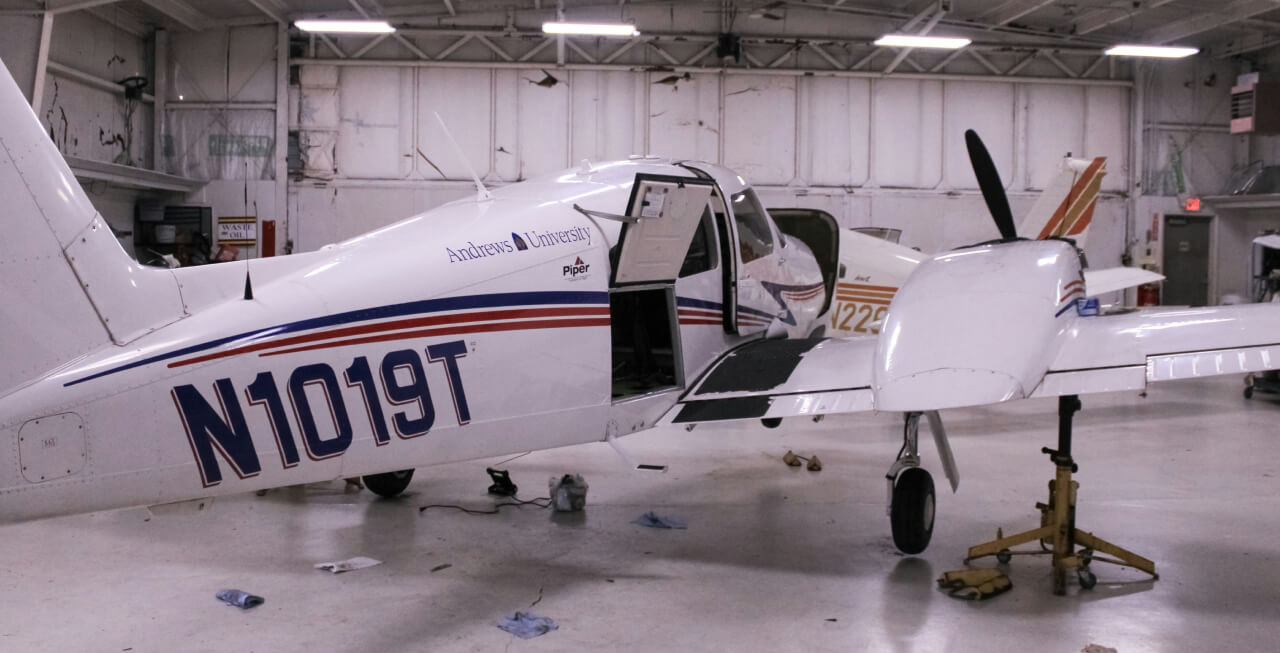
Aircraft condition is important. Newer planes are often more reliable, but older planes can be fine if they’re well-maintained. If it looks like it belongs in a museum, maybe it should stay there.
Ask about the availability of planes. If the school has too few, you might end up waiting around to fly. Simulators are also a nice bonus for practicing safely on the ground.
Meet the instructors
Your instructor will play a big role in your training. Make sure they’re experienced and patient. Some schools will let you meet instructors before you commit. A grumpy instructor is like a bad co-pilot—you don’t want one.
Read reviews online, too. Look for patterns in what students say. If multiple people mention the same problem, it might be worth thinking twice.
Visit the school
If possible, visit in person. Look at the facilities and the condition of the planes. Talk to current students if you can.
A discovery flight is a great way to get a feel for the school. It’s like a test drive, but for flying. You’ll know pretty quickly if it’s a good fit.
Ask about the curriculum
A structured curriculum is key. It shows the school has a clear plan for your training. Ask how lessons are organized and what milestones to expect.
Find out if they offer ground school as part of the package. Some schools bundle it with flight training, while others charge extra. A good curriculum saves time and makes learning easier.
Take your time
Don’t rush the decision. A good flight school will make you feel confident about your choice. Use these tips to compare options and find the right fit.
Remember, the goal is to start your journey as a pilot. The right school will help you get there without unnecessary stress or cost. And most importantly, the aim is to get airborne, not bankrupt.
More from the blog
Building a Strong Online Reputation for Your Flight School
Discover simple and effective strategies to boost your flight school's online reputation and attract more prospective students.

The Secrets to Becoming Every Student’s Favorite Instructor
Learn how to reach more students, grow your flight instruction business, and make your marketing efforts easier to manage.